October 2025     Edition 185
Making Sense of “Thinking”:
Why Critical Thinking Comes First
Announcements

Next Critical Thinking Open Enrollment   One day workshop in two half days,
June 28/29
Follow us on Linkedin and Twitter

These days, it seems like every discipline has its own version of

thinking.


We hear
a
bout design thinking, strategic thinking, systems thinking, creative thinking, lateral thinking, and more. Each comes with frameworks, workshops, and promises to spark innovation or sharpen decision-making.


The problem is that the sheer number of

xxx thinking

labels can create confusion

. Are they all different? Are some more important than others?

The answer is yes, they’re different, and one stands above the rest. Critical thinking is the foundation upon which all the others depend. Without it, every other form of thinking risks turning into a buzzword exercise rather than a meaningful practice.


Critical Thinking: The Foundation


Critical thinking is the disciplined process of clarifying, analyzing, and evaluating information before, and as you draw conclusions and make decisions. It’s about asking the right questions, recognizing assumptions, weighing evidence, and distinguishing facts from opinions. Critical thinking gives structure and rigor to thought.

Think of it as quality control for the mind. If design thinking generates creative options, and strategic thinking charts the long-term path, critical thinking ensures both the options and the path make sense. It’
s not a luxury skill, it
’s the prerequisite that makes every other kind of thinking effective.


Thinking Skills That Depend on Critical Thinking


  • Strategic Thinking:

    Focuses on the future and seeing the big picture, anticipating trends, and aligning present actions with long-term goals. Critical thinking grounds strategy by testing assumptions, assessing risks, and ensuring goals are realistic. Strategy sets direction; critical thinking makes sure the compass is accurate.


  • Design Thinking:

    A human-centered approach to innovation. Critical thinking helps analyze user needs, evaluate prototypes, and assess whether solutions truly solve the right problem.


  • Systems Thinking:

    Involves understanding how different parts of a system interact. Critical thinking is used to analyze relationships, identify root causes, and avoid treating symptoms instead of underlying issues.


  • Creative Thinking:

    Generates new ideas and possibilities. Critical thinking evaluates which ideas are feasible, relevant, and valuable.


  • Analytical Thinking:

    Breaks down problems to uncover patterns and logical connections. Critical thinking ensures those analyses are valid and not distorted by bias or assumption.


  • Lateral Thinking:

    Approaches problems from unexpected angles. Critical thinking helps challenge existing assumptions and reframe problems effectively.


  • Innovative Thinking

    : Turns creative ideas into practical outcomes. Critical thinking assesses feasibility, market fit, and long-term value.


Each of these thinking styles serves a purpose, but all rely on critical thinking to ensure ideas are sound, analyses are valid, and solutions are effective.


The Takeaway:

Critical thinking is the common denominator. It doesn
’t replace strategic, design, or creative thinking, it strengthens them. It provides the clarity, logic, and discipline that keep other ways of thinking from drifting into wishful thinking, shallow brainstorming, or trendy jargon.


In a world where organizations and individuals face complex, high-stakes decisions every day, cultivating critical thinking isn’
t optional. It
s the difference between being dazzled by the latest
thinking
” fad and making sound choices that stand the test of time.

So, the next time you hear about a new “
xxx thinking
” method, embrace it and start with the basics. 


Critical thinking first. Everything else second.


If you like this edition,

click here to get a Free Subscription to The Headscratcher Post.

  A monthly post with tips and techniques about problem solving, creativity, innovation and critical thinking.

PLACE HOLDER
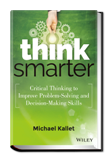
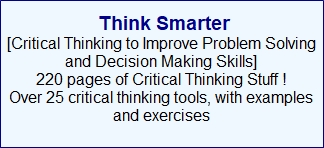
Think Smarter Book Image

Check out our Workshops

• Critical Thinking for Problem Solving and Decision Making (Core, Core+Advanced)
• Advanced Critical Thinking and Innovation
• Advanced Critical Thinking and Decision Making
• Critical Thinking for Supervisors, Managers and Leaders

Visit us at www.headscratchers.com


If you're not already a subscriber to The HeadScratcher Post,
Signup Here

Previous versions of The HeadScratcher Post
HeadScratchers

Critical Thinking Techniques for Problem Solving, Decision Making, Innovation and Leadership.
Our Mission;

To help people become better HeadScratchers! We teach critical thinking techniques to managers, leaders and individuals resulting in the improved performance of an individual and organization.